
Nobody looks forward to making an estate plan, but everyone sleeps better once it’s done. Work with a lawyer who makes it straightforward, answers your questions directly, and helps you protect your family with confidence.

Each family has unique needs that require more than just a templated will downloaded from a website. Estate plans can (and should) be personally tailored to your family’s specific situation. A single parent has very different needs than a family with a special needs child.
Work with an attorney who can personally tailor a comprehensive plan for your specific situation. Each plan can come with a Will, Power of Attorney, Medical Directives, and if needed, a Trust.

Creating an estate plan can feel overwhelming. Let’s start with a simple phone call. You tell me what your family situation is and what you want to happen. Then we build your plan. Once we’re done, we’ll have a final review session so you understand each part of your estate plan before you sign and finalize it.
If you’ve elected to create a trust, we work together to help fund it.
You’ll have an experienced hand to help every step of the way.
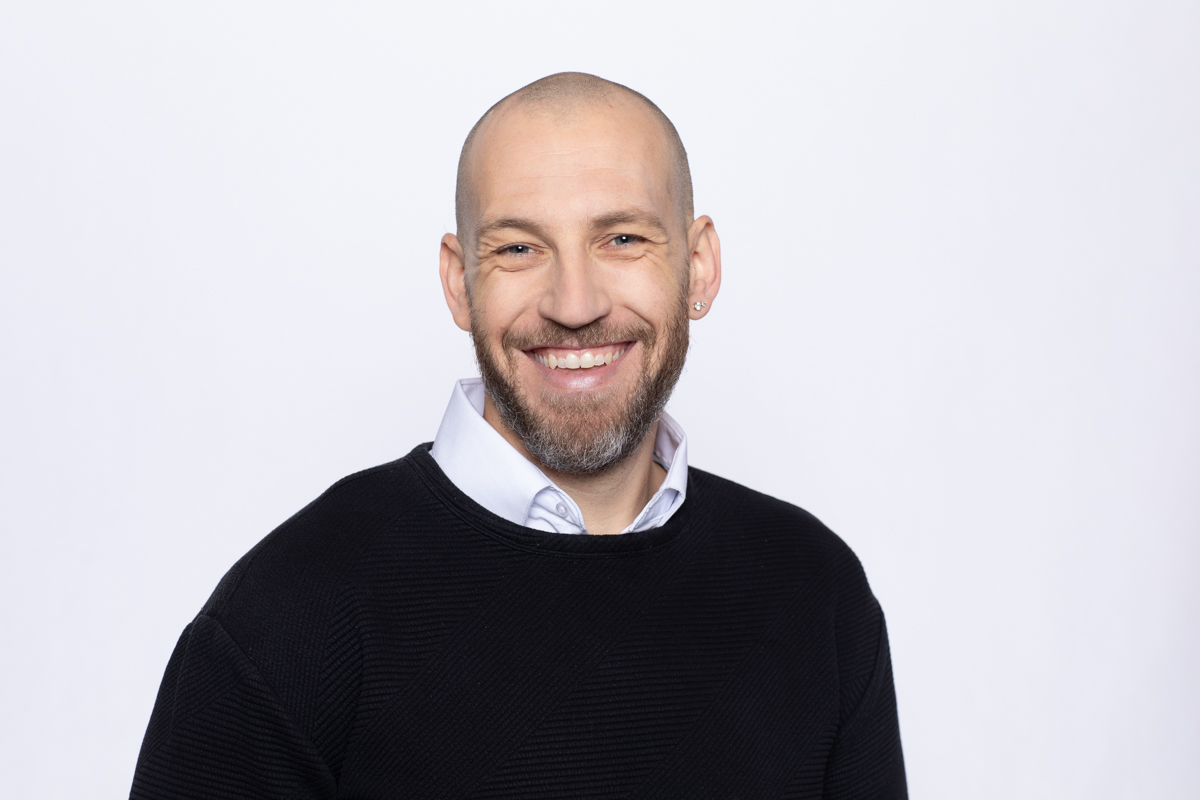
My name is Jack.
I believe an estate plan should give you peace of mind, not a stack of documents you don’t understand. So I’ll explain things in plain English, answer the questions you have, and make sure you understand not just what you’re signing, but why. Before law, I spent years in business and finance, so when your plan involves a home, a business, investments, or blended-family questions, you’ve got someone who genuinely understands the numbers behind the decisions.
I understand that nobody looks forward to making an estate plan or writing a will, but everyone sleeps better once it’s done. My goal is to make this as easy and accessible as possible, that way you can feel confident and your family can be taken care of.

If you die without a will, California consider’s you “intestate,” and has laws (the Probate Code) that it uses to divide your property and decide who manages your estate.
A will allows you to have more control over who gets your property when you pass away, and who manages your estate.
Wills without a trust may be preferable for people who have a smaller estate (sub $208,850 to $239,700.)
When a person dies, their assets go through the probate court. In California, an estate must generally go through formal probate if the total value of its qualifying assets exceed $208,850 (for deaths between April 1, 2025, and March 31, 2026) or $239,700 (for deaths on or after April 1, 2026).
A revocable trust avoids probate by changing the legal ownership of your assets while you are still alive. Because the probate court only handles property owned solely by a deceased person, transferring your assets into a trust effectively removes them from the court’s jurisdiction. Because the trust owns the property, there is no change in ownership that requires a probate judge to sign off on.
This keeps your assets private and allows for you to have more control over what happens.
But a trust only avoids probate if it is funded, and structured and managed correctly.
A Special Needs Trust designed to hold assets for a disabled beneficiary without jeopardizing their eligibility for government benefits like Supplemental Security Income (SSI) or Medicaid.
Programs like SSI and Medicaid can have strict asset limits, so a direct inheritance or cash gift can accidentally disqualify a person with special needs from receiving the benefits they need.
A trust helps keep their assets below that threshold while supplementing the government benefits they receive.
Power of Attorney gives a trusted person the authority to act on your behalf in financial, legal, or medical matters.
Power of Attorney is generally created in the case you become incapacitated. Most commonly you’ll hear two types: Durable Power of Attorney (takes immediate effect and ensures there is no gap in managing your life if an emergency happens) and Springing Power of Attorney (takes effect when you are deemed incapacitated, but not before.)
Advanced Health Care Directives let you state your medical wishes and appoint someone to make health care decisions for you if you become too sick or injured to speak for yourself.
If a medical emergency happens that leaves you incapacitated an Advanced Health Care Directive ensures your exact wishes are followed and relieves your loved ones from the burden of having to guess what you would have wanted, or worse having a legal battle over what to do.
Creating the trust document is only the first step. If you don’t fund it, the trust is basically an empty shell and those assets will still have to go through probate court when you pass away.
To fund a trust, you need to change the name on the title of the asset to the the trustee (manager) of the trust.
Generally yes, depending on the trust. If you have a Revocable Living Trust, you can, as the creator of the trust, make amendments. Under California law, you must look at the trust document itself first. But if the trust explicitly states an exclusive method for making changes, you need follow those instructions exactly.
For irrevocable trusts, the process is different, and depends on a wide variety of factors, and may require court intervention.
Timing
Only takes effect after death.
Can take effect both during life and after death.
Probate Court
Must go through probate.
Avoids probate court.
Privacy
Public record.
Stays private.
Complexity
Generally simpler in nature.
Can be much more complex, and may include health directives, power of attorney, and a will as well.
Setup Cost
Generally cheaper.
Generally more expensive.
Best For
Could be a good fit for those with smaller estates who do not mind their assets being public knowledge, and do not have unique needs.
Could be a good fit for those valuing privacy, more control, and more complex estates.